HAEOLUS
Dynamic modelling and control strategies for wind-powered hydrogen production, storage, mini-grid operation, and fuel production.
Scope
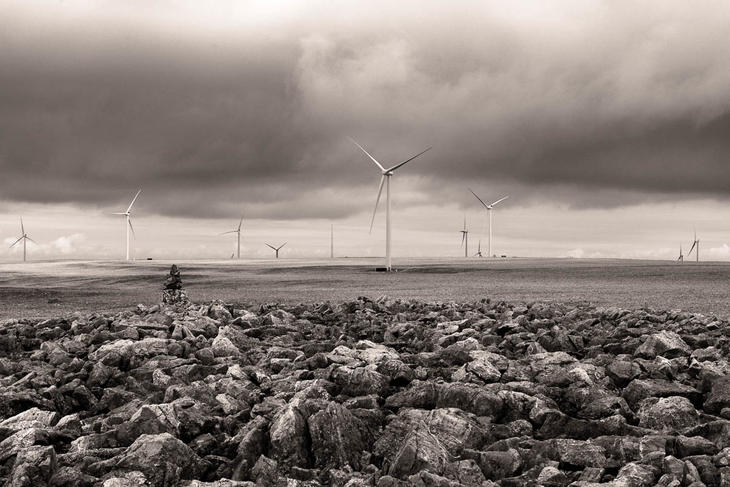
HAEOLUS integrated a 2.5 MW PEM electrolyser with the Raggovidda wind farm in northern Norway, connecting wind generation, hydrogen storage, a fuel cell, local loads, and the power grid within one remotely monitored energy system.
Objective
The project developed control strategies for three wind-to-hydrogen operating modes: electricity storage, mini-grid operation, and fuel production. Each strategy responds to uncertain weather, changing electricity prices, hydrogen demand, and mode-specific technical constraints.
My contribution
From September 2018 through 2024, I contributed dynamic modelling and control synthesis for the University of Sannio team. My work progressed from a dynamic model of the hydrogen-production and storage plant to control systems for energy storage, mini-grid operation, and fuel production, including hierarchical model-predictive control and electricity-market participation.
Project record
The documented record comprises D6.1, Dynamic model for hydrogen production and storage plants (December 2018); D6.2, Control system for the energy-storage use case (December 2019); D6.3, Control system for the mini-grid use case (February 2020); and D6.4, Control system for the fuel-production use case (January 2021).